
Section 9 — foreign wife of a Thai husband
The fastest channel where it applies: no PR requirement, but strict civil-document and income evidence.
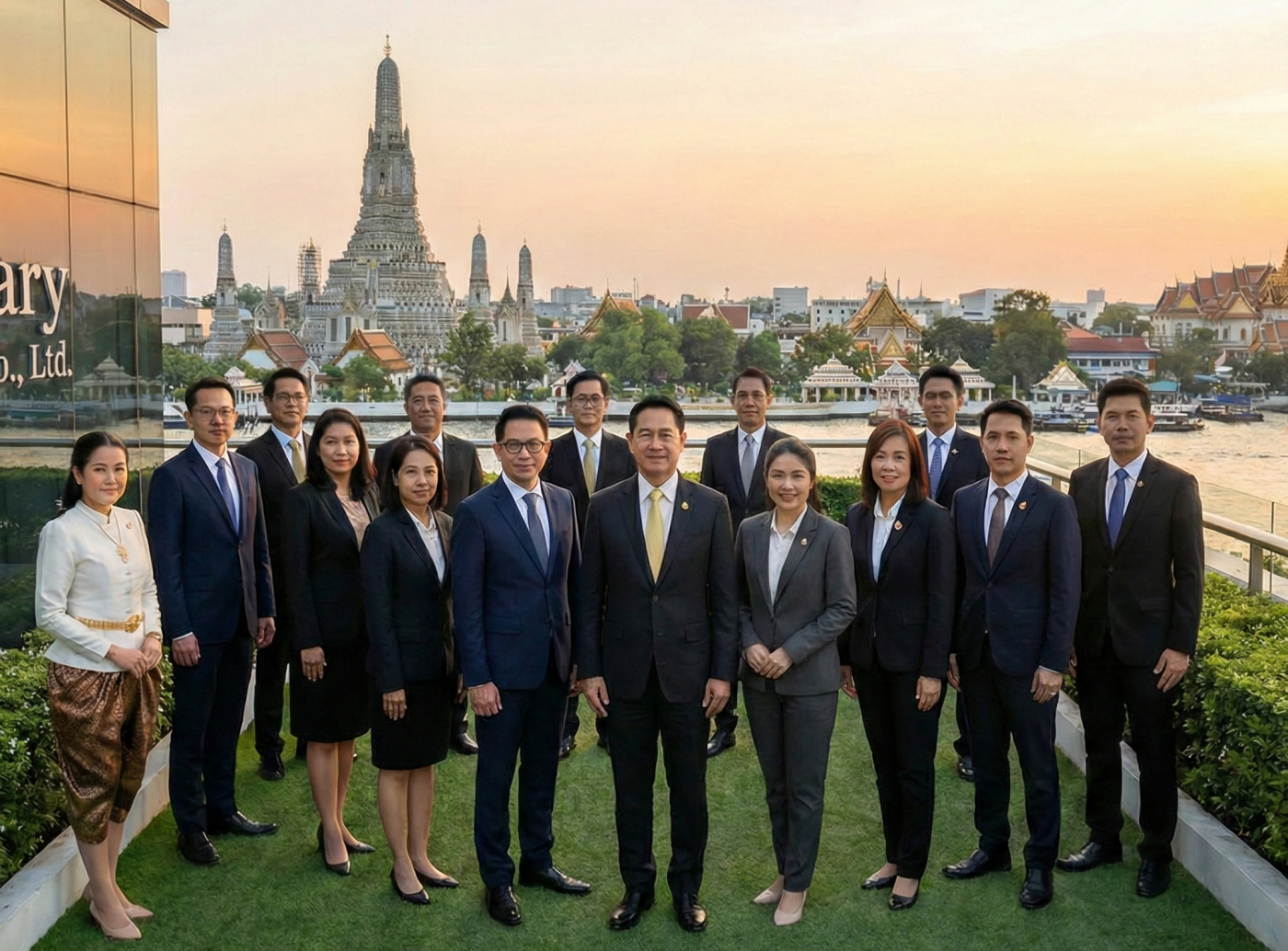
ทีมทนาย Notary Public ของเรา
ทุกการรับรองดำเนินการโดยทนายความผู้ขึ้นทะเบียนเป็น 'ทนายความผู้ทำคำรับรองลายมือชื่อและเอกสาร' กับสภาทนายความในพระบรมราชูปถัมภ์ คลิกที่ใบอนุญาตเพื่อดูฉบับเต็ม
Five statutory channels with very different requirements. Choosing the wrong one costs years. We map your status to the fastest section your evidence supports, then build the file and coach the interview.

A foreign woman married to a Thai husband can naturalise under section 9 without permanent residence, while the same person filing under section 10 would first need PR and five further years. That single choice is worth more than any amount of document polishing. After that, the file turns on consistency: tax years without gaps, a residence history that matches the record, legalised civil documents the registrar will accept, and enough Thai to satisfy a committee that is genuinely testing integration.
The fastest channel where it applies: no PR requirement, but strict civil-document and income evidence.
PR plus the statutory residence period, tax record, language test and anthem interview.
Recovery of Thai nationality previously renounced or lost, with archival evidence of the original status.
Children following a naturalising parent, with legalised birth records and certified translations.
Thai conversation practice plus the national and royal anthems, rehearsed to interview standard.
Royal Gazette publication, oath ceremony, house registration entry, Thai ID card and Thai passport.
We test your marital status, PR position and residence history against every channel and file under the one that actually fits.
PR record, tax returns, employment history and household income reconciled into a consistent picture.
Foreign birth, marriage and divorce records legalised and certified in Thai to registrar standard.
Submission through Special Branch or the provincial office, with police and security checks tracked.
Thai-language and anthem preparation ahead of the Ministry of Interior interview.
Publication, oath of allegiance, house registration and issue of the Thai national ID card and passport.
The Nationality Act B.E. 2508 provides several channels. Section 9 covers a foreign woman married to a Thai man and does not require permanent residence. Section 10 is the general naturalisation route and requires permanent residence. Section 11 covers restoration of Thai nationality previously lost. Section 12 covers minor children following a naturalising parent, and section 12/1 covers nationality granted for special contribution.
For the general section 10 route, yes — you must hold permanent residence and have held it for the statutory period, generally five years, with continuous residence and tax compliance. Section 9 applicants, being foreign wives of Thai husbands, do not need PR, which makes it by far the fastest channel where it applies.
Yes. Applicants must demonstrate the ability to speak and understand Thai, and in practice are asked to sing the national anthem and the royal anthem at interview. The committee is assessing genuine integration, so rehearsed answers without comprehension are noticeable. We coach both the conversation and the anthems.
Stable income evidenced by personal income tax returns for the qualifying years, with the amounts matching employer certification. Applicants below the expected income level, or with tax years missing, are the most common category of deferral. Where a spouse's income supports the household, that has to be documented too.
It is a multi-year process. The file passes through the local police, the Special Branch, the Ministry of Interior committee and finally ministerial approval, followed by publication in the Royal Gazette. Section 9 files are generally faster than section 10 files, but neither is quick, and applicants must maintain their status throughout.
Thai law expects renunciation in the formal process, and the practical treatment varies by the other country's rules. Some nationalities lose their original citizenship automatically on naturalising elsewhere; others do not. This needs to be resolved with your home country before the oath, not afterwards.
Approval is published in the Royal Gazette, you attend the oath of allegiance, and you are then entered in the house registration and issued a Thai national ID card. A Thai passport follows. Foreign civil documents used along the way must have been legalised and certified in Thai for the registrar to accept them.
Minor children can follow a naturalising parent under section 12, with legalised birth certificates and certified Thai translations. Children already born to a Thai parent are usually Thai by descent and need registration rather than naturalisation — a distinction worth checking before filing anything.
One team handles the full chain — translation, notarisation, MFA legalisation and embassy attestation — so your document is accepted the first time.
Send a photo or scan and our staff will confirm the exact steps, supporting documents and realistic turnaround under the receiving authority's current rules.
Tell us your marital status, PR position, income and current nationality. We reply with the section that fits, the realistic timeline and the documents to legalise first.