Non-M visa applications
Category selection, consular filing and in-country conversion where eligible.
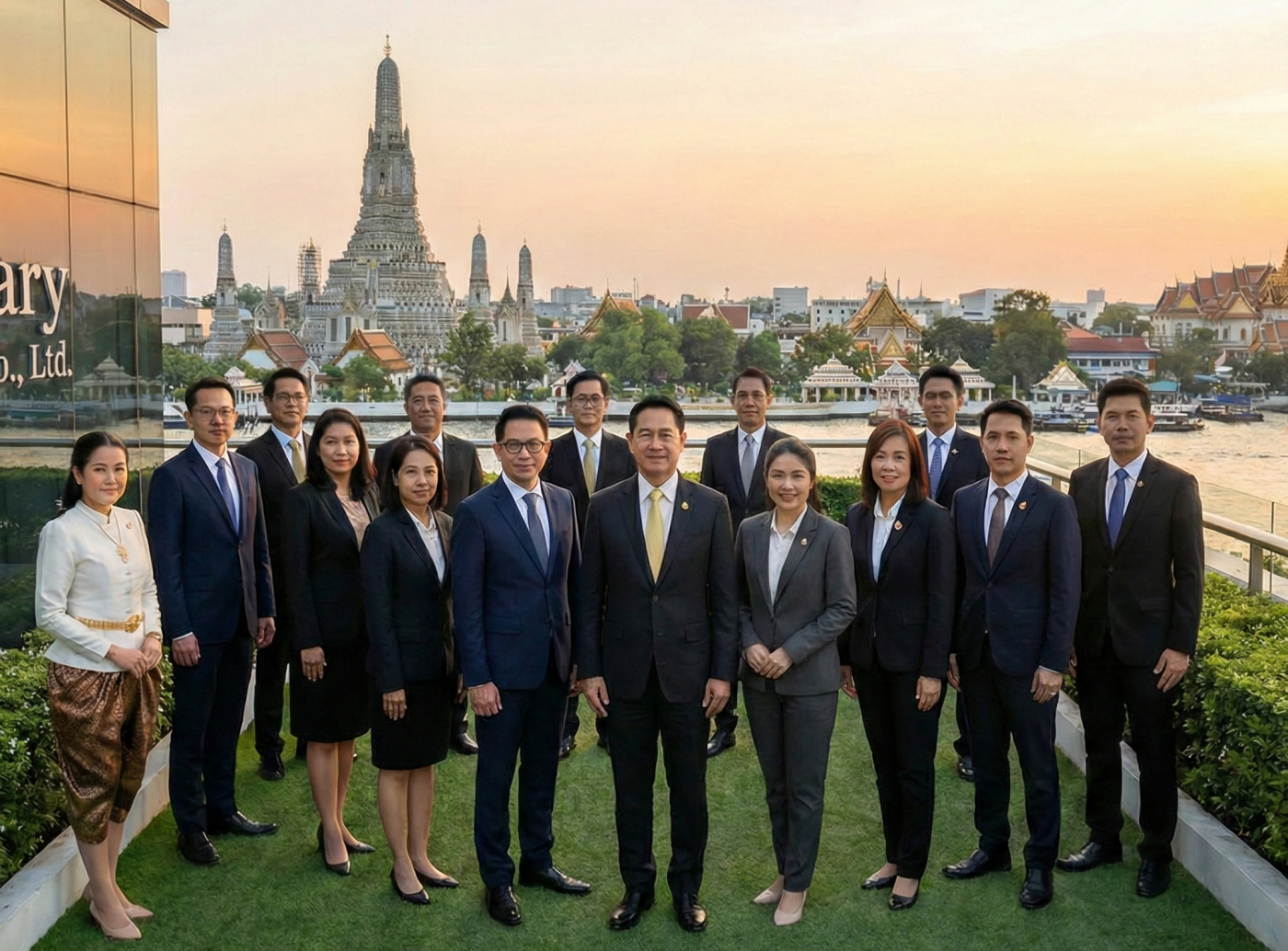
ทีมทนาย Notary Public ของเรา
ทุกการรับรองดำเนินการโดยทนายความผู้ขึ้นทะเบียนเป็น 'ทนายความผู้ทำคำรับรองลายมือชื่อและเอกสาร' กับสภาทนายความในพระบรมราชูปถัมภ์ คลิกที่ใบอนุญาตเพื่อดูฉบับเต็ม
Reporting from Thailand is a three-part permission: the visa that lets you stay, the accreditation that recognises you as press, and the work permit that lets you actually file. Missing any one of them makes the other two useless.

The most costly error we see is a production crew arriving on media accreditation for what is legally a commercial or documentary shoot. News gathering runs through the Public Relations Department; scripted and commercial production runs through the Thailand Film Office. The two processes have different lead times, different paperwork and different consequences when a crew turns up with the wrong one.
Category selection, consular filing and in-country conversion where eligible.
Press card applications, outlet letters and annual re-accreditation.
Work permits issued on the accredited-correspondent route.
Thailand Film Office submissions for documentary and commercial productions.
Representative-office and bureau registration for outlets basing staff in Bangkok.
Assignment letters, credentials and corporate documents translated and certified.
We check whether the work is news reporting, production, or both — they take different routes.
Assignment and undertaking letters drafted to the wording the PRD accepts.
Non-M filed at the correct post with a complete supporting bundle.
PRD submission and press card issuance.
Media-route work permit filed once accreditation is confirmed.
One-year stay, 90-day reporting and annual re-accreditation diarised.
Anyone entering Thailand to work as a journalist, correspondent, photographer, camera operator or producer for a media organisation. Reporting on assignment while holding a tourist entry is unauthorised work and is treated seriously at the border and by immigration.
The Public Relations Department of the Office of the Prime Minister accredits foreign media and issues the press card that underpins the visa, the work permit and access to official events. Accreditation is granted to the individual on the strength of a named outlet's letter of assignment.
Yes. The visa gives you the right to stay; the work permit gives you the right to work. Accredited correspondents obtain a work permit through the media route, which is procedurally lighter than the standard corporate route but still mandatory.
Accreditation still requires a commissioning letter from a recognised outlet, so a freelancer normally needs a named commission or a retained stringer arrangement. Multiple small commissions are usually weaker than one clear engagement letter from an established title.
No. Filming that is not news reporting runs through the Thailand Film Office permission process, with a script outline, crew list, equipment manifest and often an assigned government monitor. Bringing a crew in on media accreditation for a commercial shoot is the wrong permission and can stop the production.
The initial Non-M entry is typically ninety days, extendable to a one-year stay once accreditation and the work permit are in place, then renewed annually while the assignment continues and the outlet re-confirms it.
Professional camera, audio and satellite equipment is a customs matter, not an immigration one. An ATA carnet or a temporary import undertaking avoids duty and, more importantly, avoids the kit being held at the airport while a deadline passes.
Allow several weeks from a complete application. The bottleneck is almost always the outlet's assignment letter and the certified translations of supporting documents, not the government review itself.
One team handles the full chain — translation, notarisation, MFA legalisation and embassy attestation — so your document is accepted the first time.
Send a photo or scan and our staff will confirm the exact steps, supporting documents and realistic turnaround under the receiving authority's current rules.
Send the outlet, the assignment scope, the crew list and the shoot dates. We reply with the right permission route, the document list, and a lead time you can plan a schedule around.