Thai language programmes
Accredited language schools with Or.5 handling, attendance guidance and extension filing.
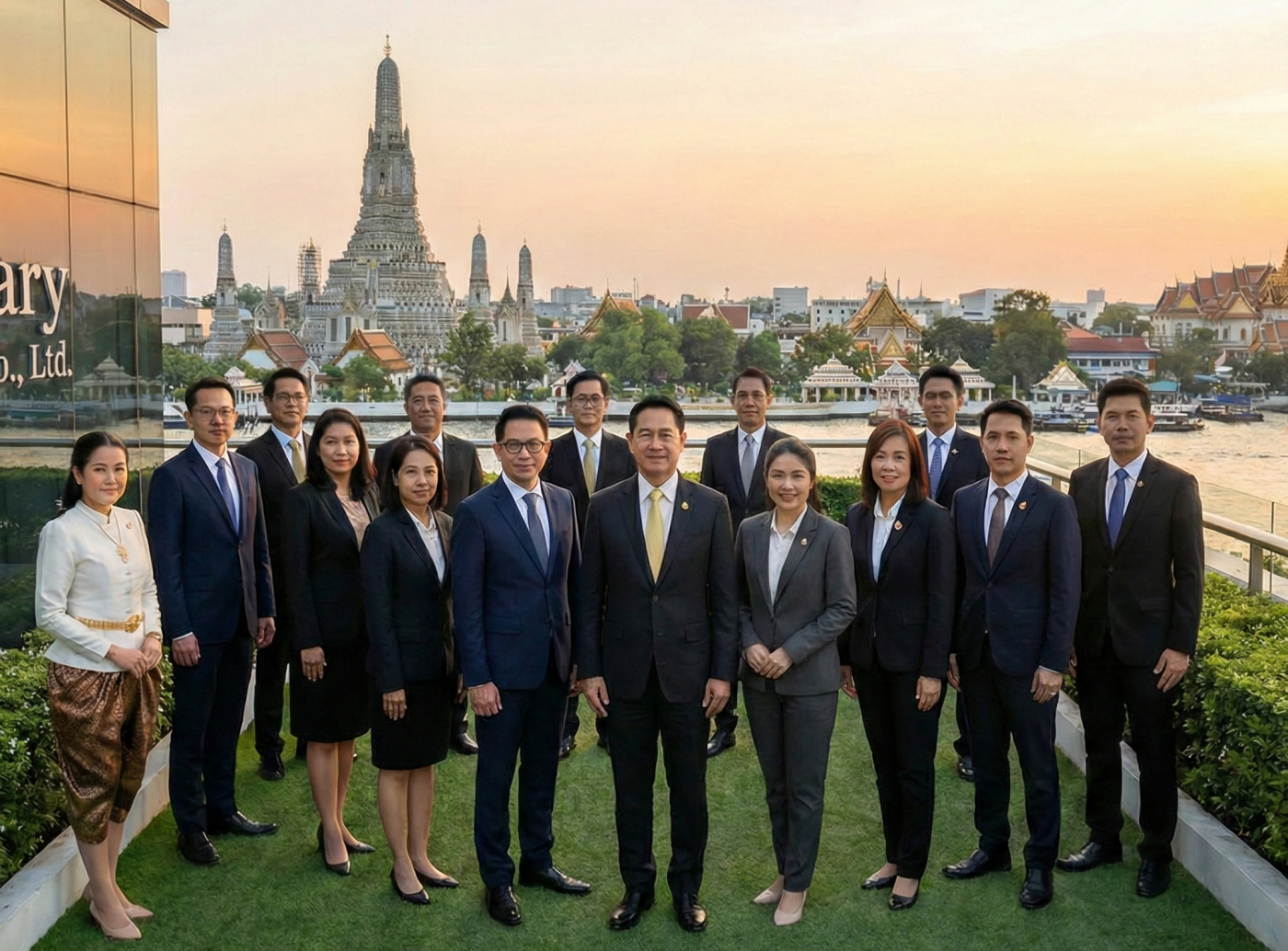
ทีมทนาย Notary Public ของเรา
ทุกการรับรองดำเนินการโดยทนายความผู้ขึ้นทะเบียนเป็น 'ทนายความผู้ทำคำรับรองลายมือชื่อและเอกสาร' กับสภาทนายความในพระบรมราชูปถัมภ์ คลิกที่ใบอนุญาตเพื่อดูฉบับเต็ม
Language school, degree, vocational course, Muay Thai camp or monastic study — the visa mechanics are the same, but the endorsement documents differ. We check the institution first, then run the visa and every extension.

A Non-ED application almost never fails on the applicant. It fails when the school is not properly licensed, when the endorsement letter arrives late, or when attendance records do not support an extension that immigration is now actively auditing. Language-school extensions in particular are scrutinised far more than they were, and a school with a poor compliance record will cost you your status. We verify that before you pay tuition.
Accredited language schools with Or.5 handling, attendance guidance and extension filing.
Student visas for pupils plus guardian status for a parent, with legalised birth and marriage certificates.
Bachelor, master and doctoral admissions with legalised transcripts and certified translation.
Approved vocational programmes, including trade and hospitality training.
Approved training camps and academies where the supervising authority endorses the enrolment.
Temple and Buddhist university study with the endorsements immigration requires.
We verify the school or university is licensed and actually issues the endorsement documents immigration needs — the difference between a smooth year and a cancelled visa.
Enrolment finalised, tuition receipt and endorsement letter obtained.
Foreign transcripts apostilled or legalised and translated for degree admissions.
Embassy e-Visa abroad or conversion inside Thailand, with the full school file.
Renewal blocks filed against attendance and progress records, ahead of expiry.
90-day reporting, TM30 address notification and re-entry permits for travel.
The Non-Immigrant ED is the education category, issued to students enrolled in a course approved by the relevant Thai authority — the Ministry of Education, a university, or the ministry supervising the specific programme. The visa follows the institution: if the enrolment ends, so does the permission to stay.
Thai language programmes at accredited schools, international and Thai K-12 schools, undergraduate and postgraduate degrees, vocational and technical programmes, approved Muay Thai and culinary training, and monastic or Buddhist study. The common requirement is that the institution is licensed and can issue the official acceptance and Or.5-type documents immigration expects.
Or.5 is the education authority's endorsement letter confirming your enrolment and supporting the visa or extension. Schools issue it after tuition is paid and enrolment is registered. Immigration checks it at every extension, so a school that is slow to produce it is a practical risk to your status.
Conversion from a tourist entry to Non-ED is possible at immigration where you hold enough remaining permission to stay and the school file is complete. Applying at an embassy abroad is usually smoother, particularly for a first application, and is the route we recommend when the timing allows it.
The initial entry is typically 90 days, extended in blocks against continued enrolment and, for language students, attendance and progress. Language programmes are usually renewed in shorter blocks than degree programmes, and immigration increasingly checks attendance records and language testing.
No. A Non-ED visa carries no right to work. Any employment, including remote or freelance work, requires a work permit under a different visa category. Students found working risk cancellation of the visa and re-entry problems.
For degree programmes, yes — foreign transcripts and diplomas normally need apostille or embassy legalisation and certified Thai or English translation before the university will finalise admission. We handle that alongside the visa so admission and immigration timelines do not collide.
Dependants of degree students and of school-age children's guardians can obtain Non-O dependent status with legalised marriage and birth certificates and certified translations. Language-school students generally cannot sponsor dependants.
One team handles the full chain — translation, notarisation, MFA legalisation and embassy attestation — so your document is accepted the first time.
Send a photo or scan and our staff will confirm the exact steps, supporting documents and realistic turnaround under the receiving authority's current rules.
Tell us the course, the institution and your nationality. We confirm whether the programme supports a Non-ED, what needs legalising and how the extensions will run.