Eligibility screening
An honest read on whether the host organisation can actually support a visa.
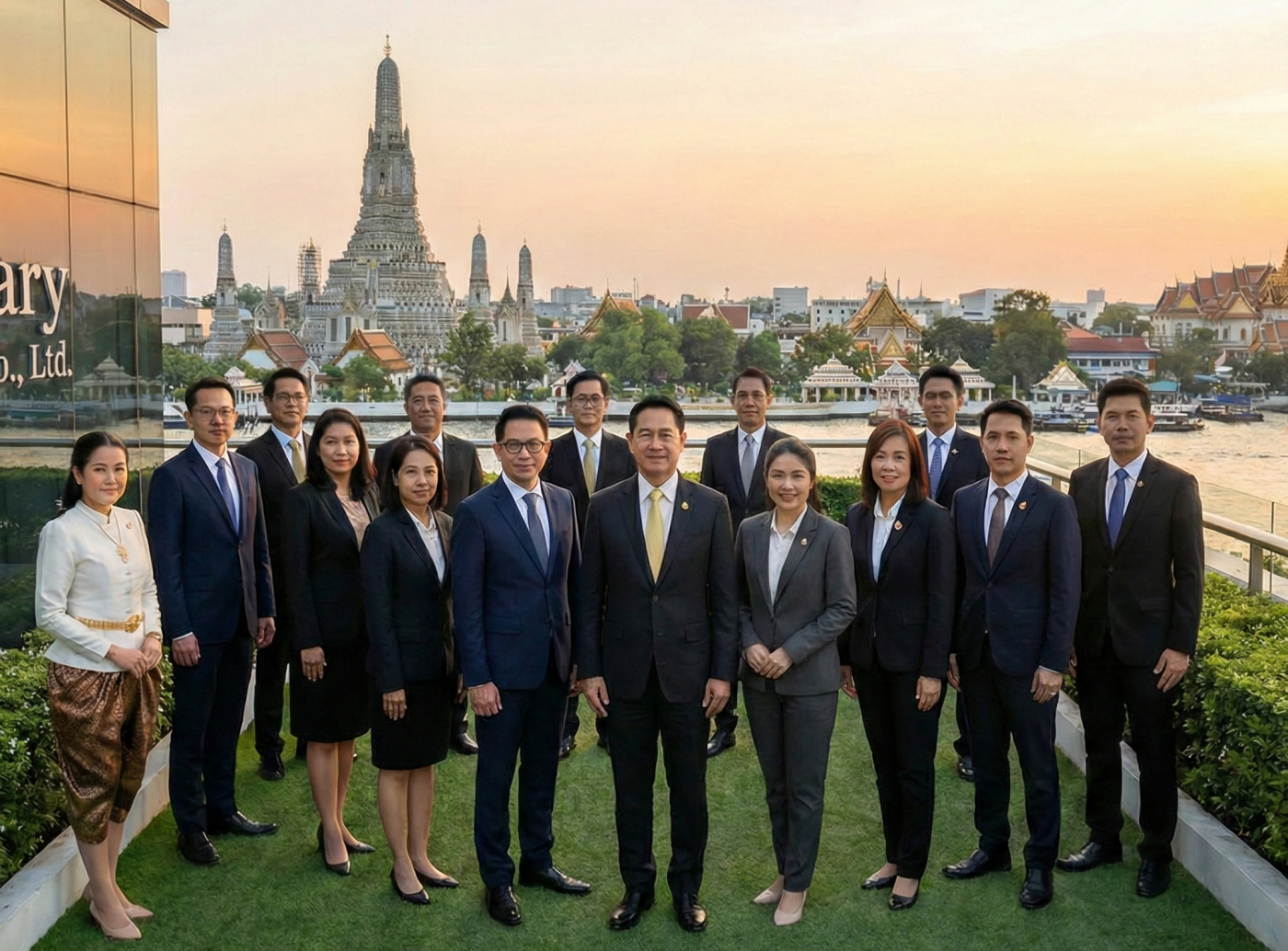
ทีมทนาย Notary Public ของเรา
ทุกการรับรองดำเนินการโดยทนายความผู้ขึ้นทะเบียนเป็น 'ทนายความผู้ทำคำรับรองลายมือชื่อและเอกสาร' กับสภาทนายความในพระบรมราชูปถัมภ์ คลิกที่ใบอนุญาตเพื่อดูฉบับเต็ม
A volunteer visa is granted to the placement, not to the person. Immigration is assessing the Thai organisation behind you at least as closely as it assesses you.

Thai law defines work by the activity performed, not by whether anyone is paid. That single point catches most well-intentioned volunteers: they assume that unpaid help needs no permit, and they discover otherwise during an inspection. We start every case by testing whether the host organisation can lawfully support both the visa and the work permit — because if it cannot, nothing downstream can be fixed.
An honest read on whether the host organisation can actually support a visa.
Consular applications and in-country conversion where the entry allows it.
Work permits for unpaid roles, filed with the correct organisational evidence.
Foundation and association registration documents brought up to standard.
Annual extensions with placement letters, accounts and activity reports.
Degrees, police clearances and organisational documents translated and legalised.
We verify the organisation's registration, objects and filing history first.
Role description, placement letter and undertaking prepared.
Sector endorsement obtained where the placement requires it.
Non-O filed with the full organisational bundle.
Volunteer work permit issued before any duties begin.
One-year extension, TM30, 90-day reports and re-entry permits handled.
Volunteering runs on a Non-Immigrant O visa granted on the basis of unpaid work for a registered Thai foundation, association or NGO. There is no separate volunteer category, which is why the host organisation's own registration status decides whether the application is viable at all.
Yes. Thai law defines work by activity, not by payment, so unpaid volunteering is still work. A volunteer without a work permit is working illegally even where no money changes hands, and both the volunteer and the host organisation are exposed.
The host must be a properly registered Thai foundation, association or licensed NGO with filed accounts, a genuine office, and objects that cover the volunteer's role. Informal projects, unregistered community groups and 'voluntourism' agencies generally cannot support the visa no matter how genuine the work is.
Yes. Volunteer teaching in a school still attracts the education-sector requirements — the school's own permission to employ a foreign teacher, and in many cases a teaching licence waiver from the Teachers Council. A charity label does not remove those obligations.
The initial Non-O entry is usually ninety days, extendable to one year on the volunteer ground once the work permit and ministry endorsement are in place. Extensions are annual and depend on the host organisation re-confirming the placement each year.
Reasonable documented expenses and, in some placements, a modest stipend are normal, but the arrangement must remain genuinely voluntary. A payment that in substance looks like a salary reclassifies the role and puts the volunteer into the employment categories with their own rules.
The same as any long-stay foreign national: TM30 address notification by the accommodation provider, 90-day reporting by the volunteer, and a re-entry permit before any departure. The host organisation is also expected to keep the placement records that support the next extension.
Where the host is already registered and has supported volunteers before, allow four to eight weeks. Where the organisation is applying for the first time or its registration documents need updating, the organisational work usually takes longer than the visa itself.
One team handles the full chain — translation, notarisation, MFA legalisation and embassy attestation — so your document is accepted the first time.
Send a photo or scan and our staff will confirm the exact steps, supporting documents and realistic turnaround under the receiving authority's current rules.
Send the organisation's name and registration number, the role, and how long you plan to stay. We reply with whether the placement supports a visa, what the host must provide, and the realistic timeline.